Complete Guide to Cosmetic Dentistry in Mandeville | Allure Dental

Cosmetic Dentistry in Mandeville, LA: A Complete Guide to Your Options
Maybe it's the color of your teeth. Maybe a chipped edge has bothered you for years, or your front teeth look shorter than they used to. You may have old bonding, veneers, or crowns that no longer look the way you want them to. Sometimes the concern is harder to describe. Your smile simply doesn't look as balanced as it once did.
Cosmetic dentistry brings together treatments that can change the appearance of your teeth, gums, and smile. Depending on what you want to improve, that might mean something as simple as professional whitening or bonding, or a more involved plan that combines alignment, gum contouring, and porcelain restorations.
At Allure Dental in Mandeville, Dr. Eversgerd and our team start by understanding what you want to change rather than assuming a particular treatment is the answer. Dr. Eversgerd is a Lead Clinical Instructor for the Aesthetic Excellence Course, where she teaches dentists cosmetic veneer treatment—from case selection and treatment planning through hands-on preparation, provisionalization, and final execution on a live patient. Her experience guides our approach: careful planning, precise execution, and attention to the details that create beautiful, natural-looking results.
If you'd like to talk through your options, call our Mandeville office at (985) 951-2220.
Key Takeaways
- Start with the concern: Color, shape, alignment, wear, gum display, and old dental work can require very different solutions.
- Cosmetic and restorative care overlap: A crown or implant may restore function while also affecting the appearance of your smile.
- Healthy teeth come first: Decay, gum disease, infection, and certain bite problems may need to be addressed before cosmetic treatment.
- Planning matters: Digital scans, photographs, smile design, models, and trial smiles can help establish the direction before irreversible treatment.
- Sequence affects the result: Whitening, alignment, gum contouring, and restorative treatment may need to happen in a particular order.
- There is no single cosmetic treatment: Veneers are one option among several, and they are not automatically the right choice for every concern.
What Is Cosmetic Dentistry?
Cosmetic dentistry focuses on the appearance of the smile, including the color, shape, size, proportions, alignment, and relationship between the teeth and surrounding gums.
It often overlaps with general and restorative dentistry. A crown may be needed because a tooth is cracked or heavily restored, but the crown's color, shape, and contour still matter if that tooth shows when you smile. Similarly, orthodontic treatment can improve the appearance of crowded teeth while also making certain areas easier to clean.
We don't have to create perfectly identical teeth. Natural teeth have variations in translucency, texture, shape, and color. Good cosmetic planning takes those details into account so the finished smile fits the person rather than looking overly uniform.
Cosmetic Dentistry Options: What Each Treatment Can Do
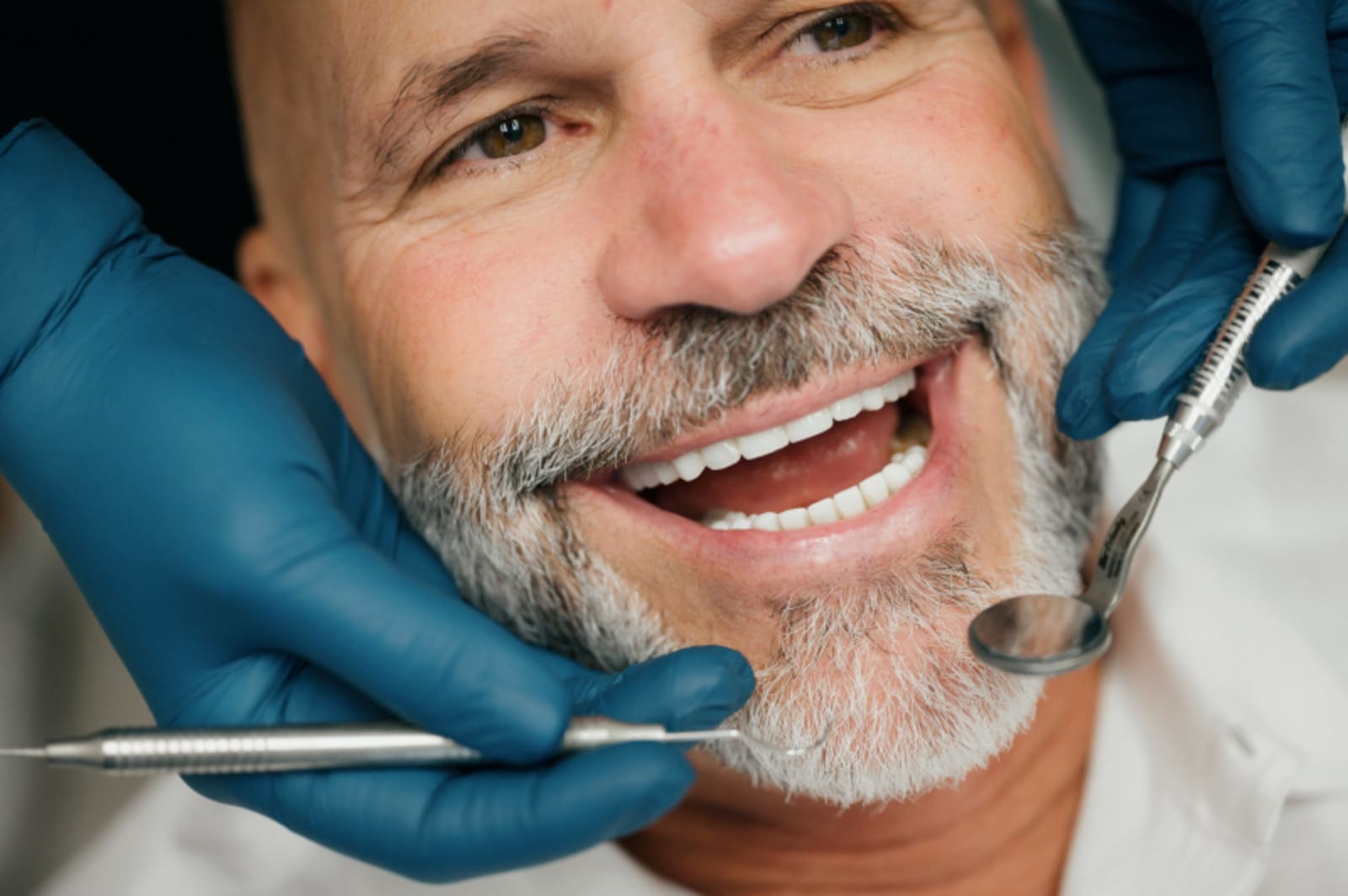
There is no single procedure that addresses every cosmetic concern. Each treatment has a different role.
Porcelain Veneers
Porcelain veneers are thin ceramic restorations bonded to the front surfaces of teeth. They can change several characteristics at once, including color, shape, size, length, and proportions.
They may be considered for concerns such as permanent discoloration, chips, worn edges, spacing, or teeth that are disproportionately small.
Veneers may require some degree of tooth preparation, although the amount varies considerably from person to person. When preparation is needed, our goal is to preserve as much healthy tooth structure as possible.
Because enamel is modified when teeth are prepared for veneers, the treatment should be considered an irreversible commitment. That is one reason we place so much emphasis on planning before preparation begins.
Composite Bonding
Composite bonding uses tooth-colored resin that is sculpted directly onto the tooth.
It can be useful for smaller changes such as repairing a chip, adjusting the shape of a tooth, or closing a small space. Depending on the case, little or no enamel preparation may be needed.
Composite can also be repaired or polished if it becomes damaged. It generally does not have the same stain resistance or long-term durability as porcelain, so material choice depends on what you want to change and how you use your teeth.
Professional Teeth Whitening
Whitening changes the color of natural teeth without changing their shape or position.
We may recommend professional in-office whitening, custom take-home trays, or a combination depending on your goals and sensitivity history.
Whitening is often a good starting point when you are happy with the shape and alignment of your teeth but want a brighter smile. It cannot change the color of existing crowns, veneers, or bonding, so those restorations need to be considered when planning treatment.
Invisalign and Clear Aligners
Clear aligners gradually move teeth using a series of custom trays.
They can be used for many concerns involving crowding, spacing, rotation, and relapse after previous orthodontic treatment. They may also address certain bite concerns.
Alignment can be particularly useful when cosmetic treatment is being considered. Moving teeth into a better position first may allow restorations to be designed more conservatively.
Gum Contouring
Gum contouring reshapes excess or uneven gum tissue to change the visible proportions of the smile.
This can be useful when one tooth appears shorter because of its gumline or when the gum margins are uneven across the front teeth. In some cases, gum contouring is performed before veneers so the restorations can be designed around the final gumline.
Crowns and Same-Day CEREC Crowns
Crowns are restorative treatments designed to protect and rebuild teeth that have lost significant structure.
A crown may be appropriate when a tooth has a large filling, extensive damage, a crack, a root canal, or insufficient remaining structure for a more conservative restoration.
At Allure, digital scanning and same-day CEREC technology can allow many crowns to be designed and milled in the office. Depending on the case, this can reduce the number of appointments and eliminate the need for traditional putty impressions.
Even when a crown is primarily restorative, its appearance matters. Shape, color, contour, and texture all contribute to how naturally it blends with the surrounding teeth.
Dental Implants and Full-Mouth Rehabilitation
When teeth are missing or a larger number of teeth need to be restored, cosmetic and restorative dentistry become closely connected.
Implants can replace missing teeth, while full-mouth rehabilitation may involve rebuilding multiple teeth and reestablishing a stable bite, function, and appearance.
These cases require more extensive planning than a focused cosmetic procedure. Function and oral health have to provide a stable foundation before the aesthetic details are finalized.
Other Treatments You May Hear About
Cosmetic dentistry includes more than the procedures most commonly discussed online.
Traditional braces and lingual braces remain appropriate orthodontic options for certain cases, particularly when more complex tooth or jaw movements are required.
Enamel microabrasion may be considered for certain superficial enamel discolorations, while internal bleaching can sometimes be used for a single tooth that has darkened after root canal treatment.
You may also encounter cosmetic treatment plans that involve placing crowns over many otherwise healthy teeth. If a proposed treatment involves significant removal of natural tooth structure, ask exactly what will be changed and why. A conservative plan should be based on your individual teeth rather than a one-size-fits-all approach.
Are You a Candidate for Cosmetic Dentistry?
Cosmetic treatment starts with the health of your teeth and gums. Before recommending a treatment, we evaluate several factors:
Gum Health
Active gum disease, significant inflammation, or certain types of gum recession may need to be addressed before cosmetic treatment. Healthy gum tissue provides an important foundation for both natural teeth and restorations.
Decay and Infection
Decay and infection need to be treated before cosmetic work is placed. Covering a tooth with a veneer or crown does not eliminate an underlying dental problem, so those concerns have to be evaluated first.
Bite and Jaw Function
We look at how the upper and lower teeth come together and whether there are signs of uneven wear, clenching, or grinding. Your bite influences how forces are distributed across your teeth and restorations, which can affect the long-term performance of cosmetic work.
Grinding and Clenching
Bruxism can place significant forces on natural teeth, veneers, crowns, and bonding. Grinding does not necessarily mean cosmetic treatment is off the table, but it may change the treatment plan. A nightguard or other protective strategy may be recommended depending on your situation.
Existing Dental Work
Crowns, fillings, veneers, and bonding can affect both the treatment options and the sequence. For example, whitening natural teeth before replacing a visible crown can make it easier to choose a shade that matches your updated smile.
Bone Support
Bone support becomes especially important when implants or extensive restorative treatment are being considered. The appropriate evaluation depends on the treatment being planned and the condition of the supporting structures.
Does Age Matter?
Age alone generally does not determine whether someone can have cosmetic dental treatment. Adults may be candidates for clear aligners, veneers, whitening, bonding, and other cosmetic procedures when their teeth and supporting tissues are healthy. The more important question is whether the mouth provides a stable foundation for the treatment being considered.
How Smile Design Works
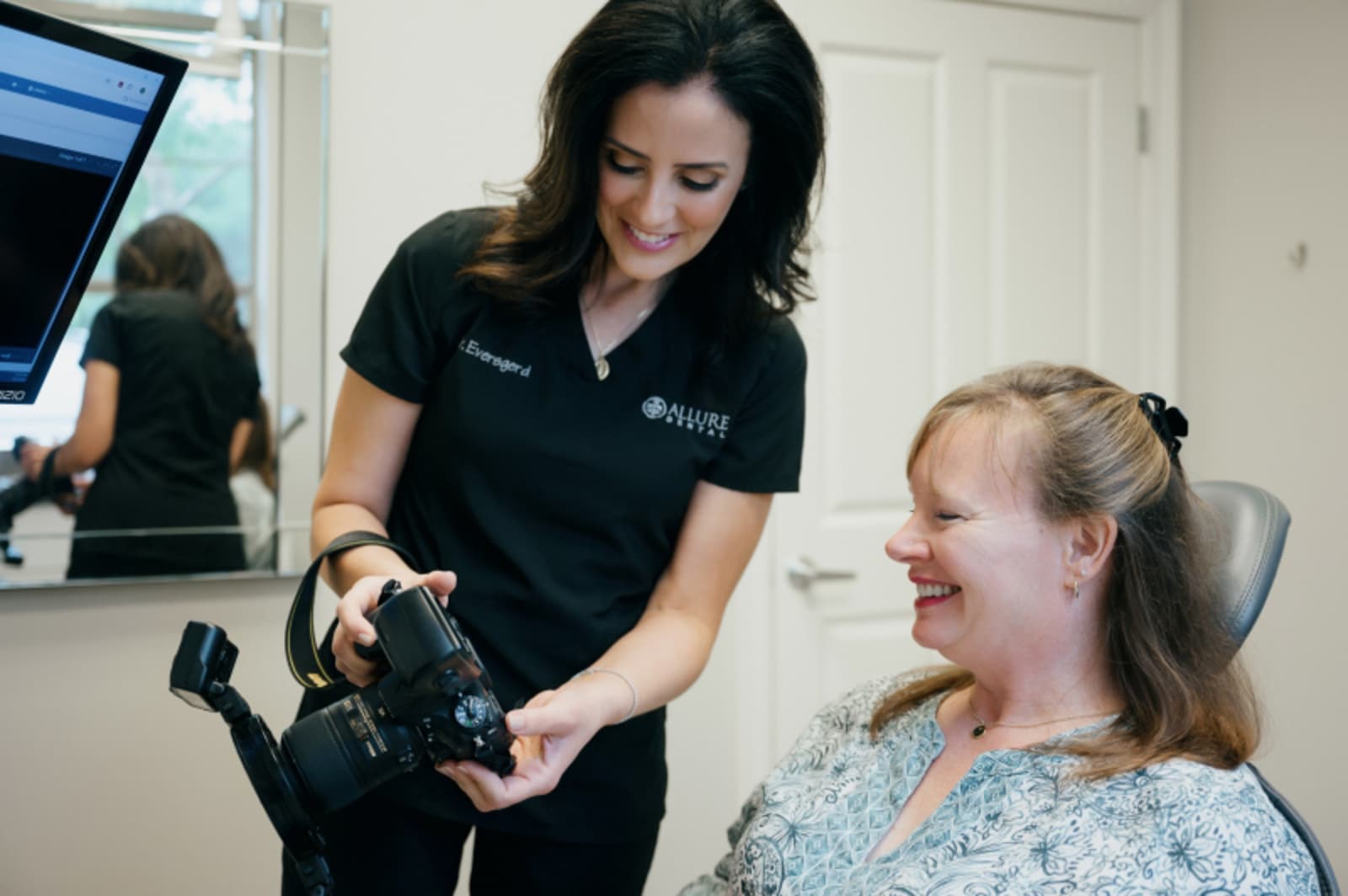
A cosmetic consultation should do more than decide which procedure to perform. It should establish what the finished smile is supposed to look like and how to get there.
1. We Evaluate Your Teeth, Gums, and Bite
We begin by looking at your overall oral health, tooth positions, gums, bite, existing restorations, and signs of wear. This helps identify anything that should be addressed before cosmetic treatment.
2. We Take Photographs and Digital Scans
High-resolution photographs and digital scans give us a detailed record of your smile. Digital scans can help us evaluate tooth proportions, alignment, and the relationship between the upper and lower teeth. When appropriate, additional imaging can help us understand underlying structures.
3. We Talk About What You Want to Change
This is where your goals become part of the smile makeover treatment plan. Maybe you want a subtle change in color. Maybe you want to address worn edges or several teeth that have always looked too small. Or perhaps you want to understand why your existing dental work no longer looks right.
The more clearly we understand the concern, the easier it is to determine which treatment is actually addressing it.
4. We Consider Your Face and Smile Together
Teeth do not exist independently of the face around them. We consider factors such as the lip line, facial proportions, midline, tooth display, and the overall character you want your smile to have when evaluating shape and proportions. A technically precise restoration can still look unnatural if it does not fit the person.
5. We Preview the Proposed Direction
Depending on the case, smile design may include digital planning, wax-ups, models, or a physical trial smile. A preview gives you an opportunity to see proposed changes before permanent treatment. If the teeth look too long, too short, too bright, too square, or simply different from what you had in mind, those are conversations to have before preparation begins.
6. We Determine the Sequence
Once the direction is established, we determine which treatments need to happen first. That might mean whitening before veneers, aligners before restorative work, or gum contouring before finalizing the shape of restorations.
7. We Prepare, Restore, and Refine
If veneers, crowns, or other restorations are part of the plan, preparation is based on the approved design. Provisional restorations may be used when appropriate so we can evaluate shape, function, and comfort before the final restorations are placed. We also work with a dental laboratory and ceramist to determine details such as shade, texture, translucency, and characterization.
8. We Verify the Final Result
Before finalizing restorations, we evaluate their fit, appearance, and relationship with the bite. Follow-up allows us to make sure everything is settling comfortably and that you understand how to care for your new smile.
How Conservative Veneer Preparation Works
One of the biggest concerns people have about veneers is how much tooth structure will be removed. The amount of preparation varies. It depends on the starting position of your teeth, the amount of change you want, your bite, existing restorations, and the final design.
Some cases can be prepared very conservatively and primarily within enamel. Other teeth may require more preparation because of their position, discoloration, existing restorations, or the amount of change being requested. Some people may be better served by a different treatment altogether.
Planning is what allows us to determine the appropriate amount of preparation before treatment begins. Rather than deciding how much tooth structure to remove in the moment, we work from the planned final result. That approach helps us avoid unnecessary reduction while creating enough space for the restoration to look and function properly.
Composite bonding can sometimes offer another way to change tooth shape with little or no preparation, depending on the concern.
Why Treatment Sequence Matters
Cosmetic dentistry often involves several moving parts. The order can affect both the appearance and the amount of treatment required.
Whitening Before New Restorations
Whitening changes natural teeth, but porcelain and existing composite restorations do not whiten in the same way.
If new veneers, crowns, or bonding are planned, whitening may need to happen first so the restorations can be matched to the desired shade.
Alignment Before Restorations
If teeth need to move, aligning them before placing veneers or other restorations may allow for a more conservative design. It also establishes the tooth positions that the restorations are being designed around.
Gum Contouring Before Final Restoration Design
If the gumline is going to change, the final restoration should be planned around the intended gum position rather than a gumline that will soon be different.
Oral Health and Function Before Aesthetics
Decay, active gum disease, infection, and certain bite concerns need to be addressed before cosmetic treatment. Aesthetic treatment works best when it is built on a healthy, stable foundation.
Preview Before Irreversible Treatment
If a treatment involves changing natural tooth structure, we want the proposed direction to be understood before preparation begins. That is why the planning and preview stages matter.
How Long Does Cosmetic Dentistry Take?
The timeline depends on the treatments involved and whether any preparatory work is needed.
Consultation and Planning
The first stage includes your examination, photographs, digital scans, discussion of your goals, and treatment planning. More involved cases may require additional planning appointments to review a design or trial smile.
Preparatory Treatment
This phase varies considerably. You may need gum treatment, orthodontic alignment, whitening, replacement of a failing restoration, or another procedure before the cosmetic portion begins.
Active Cosmetic Treatment
The treatment itself can range from a single appointment to several months.
- Professional whitening: May involve one in-office visit or a take-home treatment period.
- Bonding: Often completed in one appointment for smaller changes.
- Porcelain veneers: Commonly involve multiple appointments for planning, preparation, provisional restorations, and final placement.
- Same-day CEREC crowns: Many cases can be completed in one visit.
- Clear aligners: Treatment may take several months or longer depending on the amount of movement required.
We will give you a more specific timeline once we know what your treatment plan involves.
How to Protect Your Cosmetic Dental Work
The same habits that protect natural teeth also help protect cosmetic restorations.
- Brush and floss consistently.
- Keep regular dental examinations and professional cleanings.
- Follow any recommended retainer schedule after orthodontic treatment.
- Wear a nightguard if one is recommended for grinding or clenching.
- Avoid using your teeth to open packages or bite hard objects.
- Be mindful of habits and foods that contribute to staining.
- Let us know if a restoration feels loose, chipped, uncomfortable, or different from when it was placed.
Maintenance is part of the treatment plan, not something that begins after the work is finished.
How to Choose a Cosmetic Dentist

"Cosmetic dentist" is not a separate dental specialty recognized in the same way as specialties such as orthodontics or oral surgery. General dentists can provide cosmetic treatments, so the title alone does not tell you how much cosmetic training or experience someone has.
When evaluating a dentist for cosmetic treatment, consider asking:
How Much Cosmetic Training Have You Had?
Look for education beyond dental school that specifically addresses cosmetic treatment planning, veneers, restorative materials, photography, occlusion, or related areas.
Can I See Your Work?
Before-and-after photographs can give you a better sense of a dentist's approach to shape, color, proportions, and natural-looking results.
Will We Preview the Result?
For more involved cases, ask whether digital planning, a wax-up, model, or trial smile will be part of the process.
How Do You Determine Tooth Preparation?
Preparation should be based on your individual teeth and the approved design rather than a standard amount applied to everyone.
Who Makes the Restorations?
The dental laboratory and ceramist can have an important role in the final appearance of porcelain restorations. Ask who fabricates the work and how the dentist and laboratory communicate about the design.
How Do You Evaluate the Bite?
Cosmetic treatment should account for how the teeth function together, particularly when several teeth are being restored.
Are You Being Asked to Decide Immediately?
You should have enough information to understand what is being proposed before committing to irreversible treatment.
What About Dental Anxiety?
Feeling nervous about cosmetic treatment is not unusual, especially if you've had difficult dental experiences in the past.
Let us know about your concerns before your appointment. That gives us an opportunity to discuss what will happen and plan the visit around your needs.
At Allure Dental, we have designed the environment with comfort in mind, including plush leather chairs, noise-cancelling headphones, warm peppermint towels, and a signature scent. Digital scanning can also replace traditional putty impressions for many procedures.
For procedures that require tooth preparation, local anesthetic is used to keep the area numb. We'll explain what to expect before treatment begins so you know what each step involves.
Where Cosmetic Dentistry Meets Restorative and Facial Care
Your smile is connected to the rest of your mouth and face, so cosmetic dentistry can sometimes overlap with other areas of care.
Laser Treatments
Our Fotona laser can be used for several procedures, including gum contouring and other soft-tissue treatments. Our practice also offers SmoothLase and LipLase for facial and lip aesthetics, gingival depigmentation, and NightLase for snoring.
TMD and Jaw Concerns
Clenching and grinding can affect both comfort and the longevity of dental restorations. When jaw symptoms or significant grinding are present, those concerns need to be considered as part of the overall treatment plan.
Sleep and Airway Care
Sleep-related concerns are separate from cosmetic dentistry, but they may still be relevant to someone's overall oral health and treatment plan. We can evaluate concerns that fall within our scope and discuss appropriate next steps when needed.
Frequently Asked Questions
Can I preview my smile before getting veneers?
Often, yes. Depending on the case, we may use digital smile design, a wax-up, models, or a physical trial smile to help you visualize the proposed shape and proportions before permanent preparation begins.
Will whitening lighten my crowns or veneers?
No. Whitening changes the color of natural teeth, while existing crowns and veneers remain their current shade. If new restorations are planned, whitening may be completed beforehand so the restorations can be matched to the desired shade.
What if I already have veneers that I don't like?
Existing veneers can change the planning process because we need to evaluate the restorations and the amount of natural tooth structure underneath them. We'll first determine what is causing the concern and what options are available before recommending replacement.
Do I need to straighten my teeth before getting veneers?
Not always, but alignment may be recommended first when tooth position would otherwise require more preparation or compromise the final design. If clear aligners can create a better starting position, they may be part of the plan.
Are veneers permanent?
Veneers are considered irreversible when tooth preparation is required because natural tooth structure has been altered. The restorations themselves are not expected to last forever, so future maintenance or replacement should be part of the decision.
Is cosmetic dentistry only about appearance?
No. Cosmetic and restorative dentistry often overlap. A treatment such as a crown may restore a damaged tooth while also improving its appearance, and orthodontic treatment can affect both alignment and function.
Start With the Right Question
Cosmetic dentistry does not have to begin with deciding whether you need veneers, whitening, or Invisalign. It should begin with understanding your smile, your concerns, and the result you want to achieve.
At Allure Dental in Mandeville, Dr. Eversgerd combines advanced cosmetic training, meticulous treatment planning, and extensive experience in complex aesthetic cases to create treatment plans that are individualized, conservative, and designed for beautiful, natural-looking results.
If you are considering improving your smile, call Allure Dental at (985) 951-2220 to schedule a cosmetic consultation with Dr. Eversgerd.
Connect
With Us
We look forward to meeting you.
Contact us today at (985) 951-2220 to schedule an appointment.