Dental Implants in Mandeville, LA | Allure Dental
Connect
with us
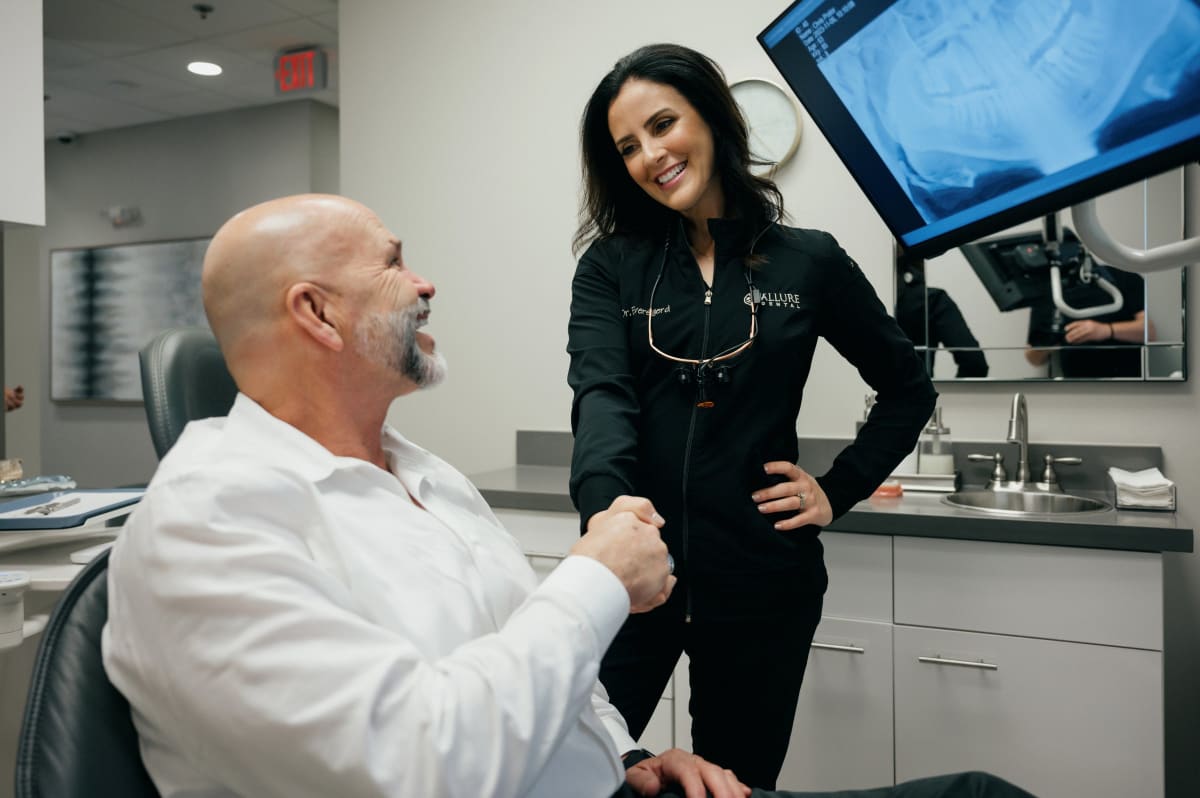
Dental Implants in Mandeville, LA
A dental implant replaces a missing tooth from the root up. A small titanium post is placed in the jawbone to replace the tooth root, and a custom crown is attached once the area has healed. Unlike a removable denture, an implant stays in place, and unlike a traditional bridge, it does not rely on neighboring teeth for support.
At Allure Dental in Mandeville, Dr. Eversgerd and our team focus on the restorative side of implant treatment, including planning and designing the final crown and making sure it fits comfortably with your bite and smile. We work alongside a trusted implant surgeon for the surgical portion of treatment and stay involved throughout the process.
If you are missing a tooth and want to understand whether an implant is appropriate for you, call us at (985) 951-2220 to schedule a consultation.
Quick Takeaways
- Dental implants replace the root and visible portion of a missing tooth: A titanium implant post supports a custom restoration above the gumline.
- Treatment takes time: The full process usually takes several months because the implant needs time to heal and integrate with the surrounding bone.
- Candidacy depends on your individual health: Bone volume, gum health, overall health, and other factors can affect whether an implant is appropriate.
- The final tooth is designed to blend in: We consider the surrounding teeth, shade, shape, proportions, gumline, and bite when planning the crown.
What Is a Dental Implant?
A dental implant is a tooth replacement that is designed to restore both the root and visible portion of a missing tooth.
The implant itself is a small titanium post that is placed into the jawbone. As the area heals, the bone grows around the implant in a process called osseointegration. Once the implant has healed sufficiently, a connector called an abutment supports the final crown.
The crown is the part that looks like a tooth. It is custom-designed to fit your smile and function with your bite.
Because the implant is supported within the jawbone, it does not need to be anchored to the neighboring teeth. That makes it different from a traditional dental bridge, which uses the teeth next to the missing tooth for support.
How Dental Implant Treatment Works

1. Consultation and planning
We begin by looking at the missing tooth, your surrounding teeth, your bite, and your overall oral health. Imaging and digital scans may be used to evaluate the area and help plan the final restoration.
We focus on the result we are trying to create before the surgical portion begins. The position, shape, and appearance of the final crown all influence how the implant is planned.
If additional treatment is needed before implant placement, we will explain that before moving forward.
2. Implant placement
The surgical portion is performed by a trusted implant surgeon we work with.
The surgeon places the titanium implant post into the jawbone. Depending on your circumstances and the surgical plan, anesthesia or sedation may be used. Your surgeon will explain what to expect during the procedure and provide specific instructions for recovery.
Our team stays involved in the process so the surgical plan and final restoration are coordinated from the beginning.
3. Healing and integration
After placement, the implant needs time to heal and integrate with the surrounding bone. This process is called osseointegration.
The healing period varies from person to person and depends on factors such as bone quality, the location of the implant, and whether additional procedures were needed.
This is why dental implants generally take longer than restorations such as traditional bridges. Most of the timeline is spent allowing your body to heal rather than sitting in the dental chair.
4. Designing the restoration
Once the implant has healed sufficiently and your surgeon confirms that it is ready for restoration, you return to Allure Dental.
We use digital scans and other records to design the final restoration. We consider the size and shape of the neighboring teeth, your bite, your gumline, and the characteristics of your natural smile.
For a visible tooth, shade and surface details also matter. The goal is to create a crown that fits naturally within the rest of your smile rather than looking like a separate piece.
5. Placing and checking the crown
The completed crown is attached to the implant and carefully evaluated for fit and function.
We check how it contacts the neighboring teeth and how your bite comes together. We also look at the appearance from different angles to make sure the proportions and shade work with your existing smile.
If something needs to be adjusted, we address it rather than simply assuming the first fit is the final one.
What Are the Benefits of Dental Implants?
Dental implants can offer several advantages as a tooth replacement option, depending on your individual circumstances.
- They stay in place: An implant-supported crown is fixed in the mouth rather than being removed at night.
- They stand independently: An individual implant does not require the neighboring teeth to support the crown.
- They restore a missing tooth at the root level: The implant replaces the function of a tooth root within the jawbone.
- They can look natural: The final crown can be customized to match the surrounding teeth in color, shape, and proportions.
- They can support normal chewing: Once treatment is complete and the restoration is functioning properly, an implant-supported crown can be used much like a natural tooth.
- They can be maintained like a natural tooth: Daily brushing, cleaning between the teeth, and regular professional care remain important.
No tooth replacement option is perfect for every situation. We will help you compare an implant with other options based on your oral health, goals, timeline, and the condition of the surrounding teeth.
Are You a Candidate for Dental Implants?
Candidacy for dental implants depends on more than simply having a missing tooth.
We look at the amount and condition of bone at the implant site, the health of your gums, the condition of your surrounding teeth, your bite, and relevant aspects of your overall health.
If there is not enough bone available at the site, additional treatment such as bone grafting may be recommended before an implant can be placed. Gum disease may also need to be addressed first.
Certain health conditions, medications, smoking, and other factors can affect healing and implant treatment. These do not necessarily mean that implants are impossible, but they are important to discuss during your evaluation.
If an implant is not the right choice for you, we can explain other tooth replacement options rather than recommending a treatment that does not fit your situation.
Timeline: How Long Does Implant Treatment Take?
Dental implant treatment generally takes several months from the initial consultation to the final crown.
The exact timeline depends on your situation. If the tooth needs to be extracted, if bone grafting is necessary, or if other dental treatment needs to happen first, the overall process may take longer.
The implant also needs time to integrate with the surrounding bone before the final restoration can be placed.
We will explain the expected sequence during your consultation rather than giving you a one-size-fits-all timeline. Healing is an important part of implant treatment, and we want the restoration to be placed when the site is ready.
What Should You Expect During Recovery?
Recovery depends on the surgical procedure and whether any additional treatment was performed.
After implant placement, it is normal to have some soreness, swelling, or tenderness around the surgical area. Your implant surgeon will provide specific instructions about eating, cleaning the area, medications, and activity during the healing period.
Follow those instructions closely and let the surgical team know if something seems unusual or if your symptoms are not improving as expected.
Once the implant has healed and the restoration phase begins, the visits at Allure Dental are focused on scanning, designing, fitting, and placing the crown rather than performing the surgical portion.
Caring for Your Dental Implant
Once your final crown is in place, caring for an implant is similar in many ways to caring for your natural teeth.
Brush twice a day and clean between your teeth every day. Keep your regular dental hygiene appointments so we can monitor the health of the gums and tissues surrounding the implant.
Although an implant cannot develop a cavity like a natural tooth, the tissues around it still need to stay healthy. Plaque and bacteria can contribute to inflammation around the implant, so daily hygiene and professional care remain important.
If you grind or clench your teeth, let us know. Excessive bite forces can affect the implant restoration, and we can discuss whether additional protection is appropriate for you.
If your crown ever feels loose, unusually high, uncomfortable, or different from the way it normally feels, contact us so we can evaluate it.
What Does Implant Treatment Cost?
The cost of dental implant treatment varies from person to person because the treatment itself varies.
Your overall treatment may involve the implant placement, extraction, additional procedures, the abutment, and the final crown. The condition of the bone and gums can also affect the treatment needed before an implant is placed.
Rather than quoting a number before we have evaluated your situation, we will explain your treatment options and discuss the costs involved during your consultation.
Why Choose Allure Dental for Implant Restoration?
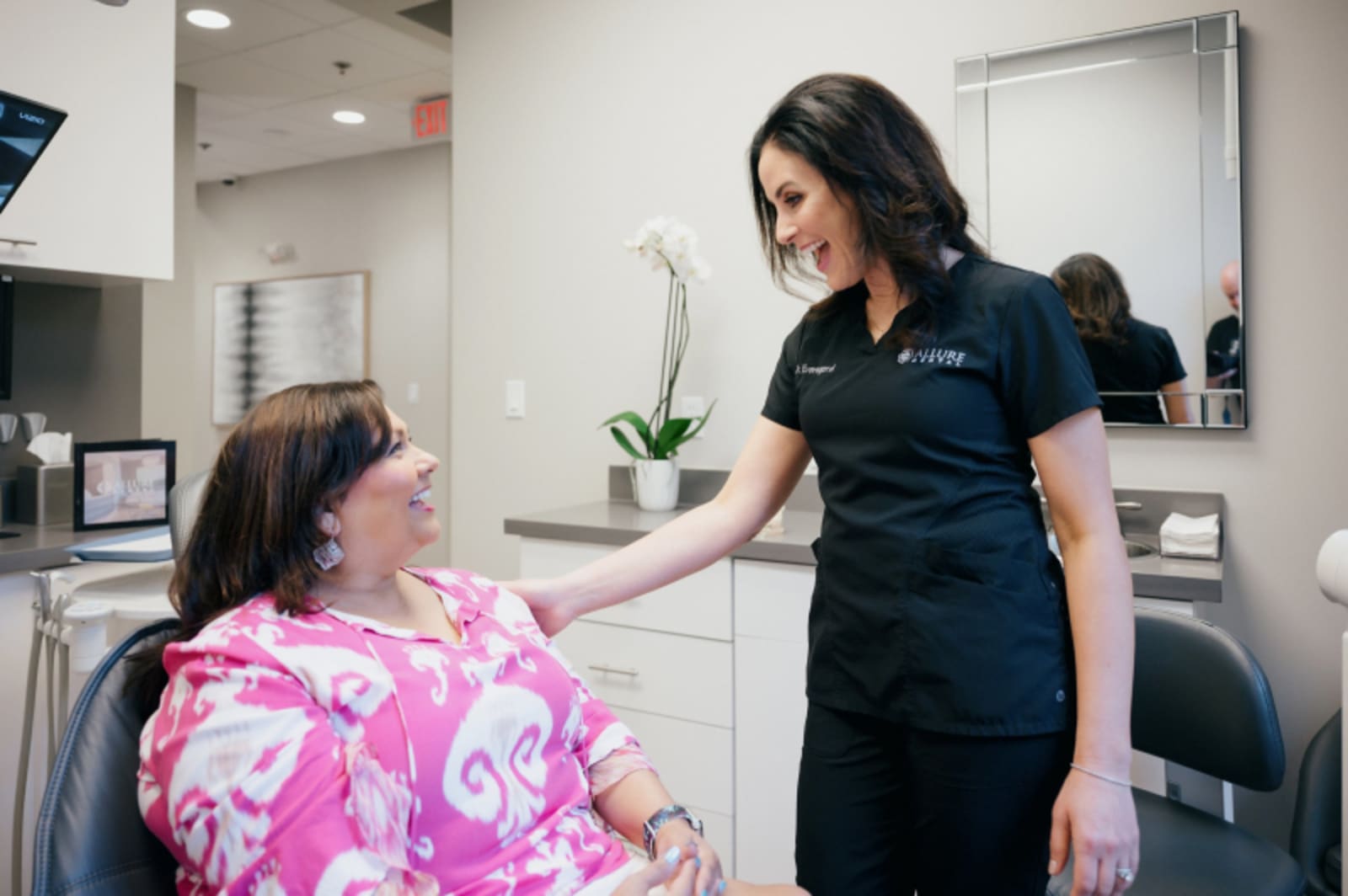
At Allure Dental, we approach the final restoration as more than simply replacing a missing tooth. Dr. Eversgerd has practiced dentistry since 2002 and has extensive experience in cosmetic and restorative dentistry. That background is particularly important when an implant is replacing a visible tooth, where small differences in shade, shape, contour, and proportion can affect the overall appearance of a smile.
We also recognize that implant treatment involves more than one provider. Because we work with a trusted implant surgeon for the surgical portion, we coordinate the restorative plan with the surgical team and remain involved throughout the process.
Our goal is for you to understand what is happening at each stage and how the different parts of treatment fit together.
Frequently Asked Questions
Does getting a dental implant hurt?
The surgical portion is performed with anesthesia, and your implant surgeon will explain the appropriate anesthesia or sedation options. Some soreness, swelling, or tenderness is normal afterward, and your surgeon will provide recovery instructions.
How long does a dental implant last?
Dental implants are designed to be a long-term tooth replacement option, but their longevity varies. Oral hygiene, gum and bone health, bite forces, general health, and other factors can affect the implant, while the crown may eventually need repair or replacement.
What happens if I don't have enough bone for an implant?
If there is not enough bone to support an implant, a bone graft or another procedure may be recommended before placement. Your surgical evaluation will determine whether additional treatment is needed.
Can I get an implant if I have gum disease?
Active gum disease should generally be addressed before implant treatment because healthy supporting tissues are important for implant care. If gum treatment is needed first, we will explain that as part of your treatment plan.
What if I am missing several teeth?
Depending on the number and location of missing teeth and the condition of your remaining teeth and jawbone, treatment may involve individual implants, an implant-supported bridge, or another implant-supported restoration. We can discuss the appropriate options during your consultation.
Let's Talk About Replacing Your Missing Tooth
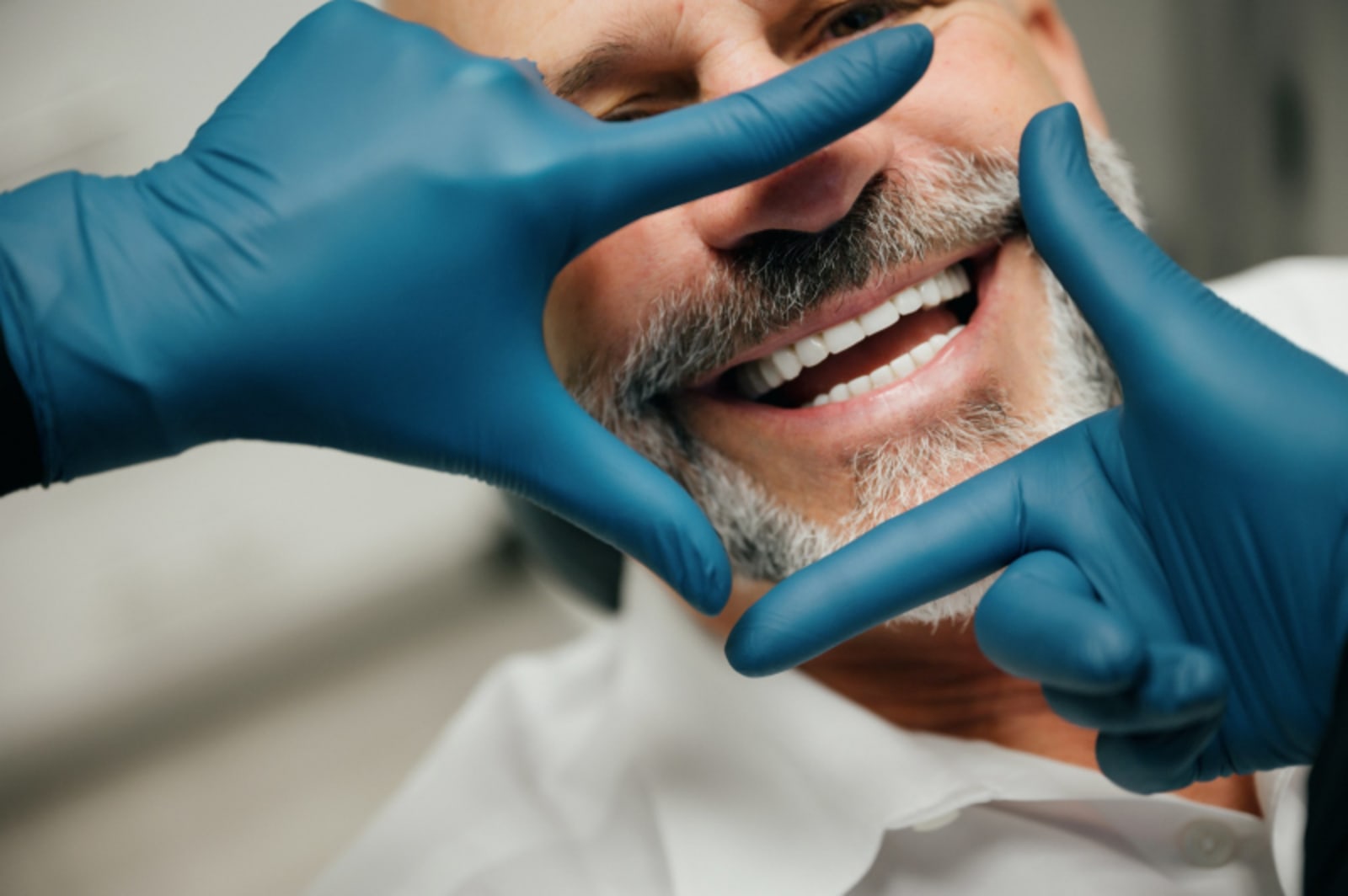
If you're missing a tooth, you do not have to decide on a replacement option before you know what your mouth needs.
At Allure Dental, we can evaluate the area, discuss whether an implant is appropriate, and explain what the restorative process would look like. If another option makes more sense, we'll explain that too.
Call (985) 951-2220 to schedule a consultation with Dr. Eversgerd at our Mandeville office.

Connect
With Us
We look forward to meeting you.
Contact us today at (985) 951-2220 to schedule an appointment.